


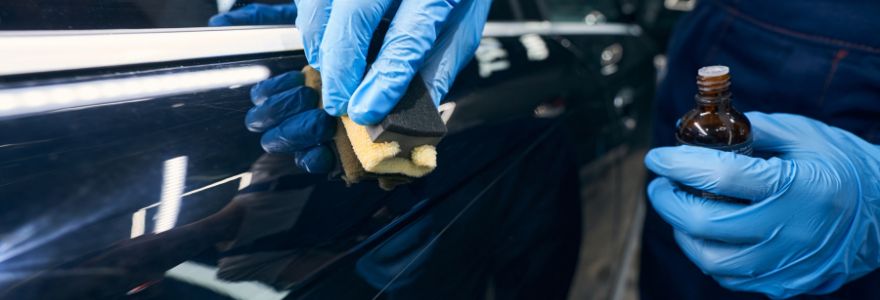
Ceramic coating is one of the most effective ways to protect your vehicle’s finish and make it easier to maintain. But if you drive year-round in Ontario, you may be wondering how long ceramic coating actually lasts when exposed to snow, road salt, summer sun, and daily road grime.
The answer depends on the coating, the quality of the installation, how the vehicle is stored, and how well it is maintained. Many professionally installed ceramic coatings can last several years, while premium options may offer even longer protection when properly cared for.
Ontario weather can be demanding, but it does not automatically mean your coating will fail early. With professional application and a proper maintenance routine, ceramic coating can continue protecting your vehicle through multiple winters and summers.
What Is Ceramic Coating?
Ceramic coating is a liquid protective product applied to your vehicle’s painted surfaces. Once cured, it chemically bonds with the clear coat and creates a durable, hydrophobic layer.
This protective surface helps repel water, grime, and environmental contaminants while adding depth and gloss to the paint. It can also make regular washing and drying much easier.
Ceramic coating helps protect against:
- Road salt and winter grime
- UV exposure and oxidation
- Bird droppings and bug splatter
- Tree sap and environmental fallout
- Water spots and mineral buildup
- Chemical staining
However, ceramic coating does not prevent rock chips or deep scratches. Drivers who want impact protection should consider combining ceramic coating with Paint Protection Film.
How Long Does Ceramic Coating Typically Last?
The lifespan of a ceramic coating can range from around one year to several years, depending on the product. Many professionally installed coatings are designed to last approximately two to five years with proper care, while certain premium professional systems may offer longer protection.
Manufacturers such as Gtechniq explain that professional coatings can last for several years when applied correctly and maintained properly. However, product claims should always be considered alongside real driving conditions and maintenance habits.
A coating’s advertised lifespan is not a promise that it will perform perfectly without care. Frequent washing, proper drying, safe cleaning products, and occasional maintenance treatments all help it reach its expected lifespan.
How Ontario Winters Affect Ceramic Coating
Road Salt and De-Icing Materials
Ontario highways are regularly treated with salt and sand during winter storms. The province explains that highway maintenance crews use plowing, salting, and sanding to keep roads safer when snow and ice arrive.
These materials eventually end up on your vehicle. Salt, slush, and dirty road spray can cover the doors, rocker panels, bumpers, and rear of the car after even a short winter drive.
Ceramic coating creates a slicker surface that makes this buildup easier to rinse away. However, salt should still be removed regularly. Leaving salty grime on the vehicle for extended periods can clog the coating’s surface and weaken its water-beading performance.
You can learn more about winter road treatments through Ontario’s guide on how provincial highways are cleared in winter.
Snow, Slush, and Freeze-Thaw Cycles
Snow itself is not usually the biggest problem. The greater concern is the mixture of melted snow, salt, dirt, and road chemicals that repeatedly freezes and thaws on the vehicle.
This contamination can collect around lower panels, wheel arches, badges, and trim. Ceramic coating helps limit how strongly it bonds to the surface, but regular cleaning remains important.
During winter, try to rinse or wash your vehicle every one to two weeks when conditions allow. A touchless wash can be useful when hand washing is not practical, although careful hand washing remains the preferred method.
How Summer UV Exposure Affects the Coating
Ontario weather is not only difficult during winter. Vehicles also face strong sunlight, heat, humidity, insects, and tree sap during spring and summer.
Environment and Climate Change Canada notes that Canada’s highest UV Index readings are found in southern Ontario, with UV intensity generally strongest during spring and summer. This makes UV protection especially relevant for vehicles regularly parked outside.
You can learn more from the federal government’s guide to the UV Index and sun exposure in Canada.
A quality ceramic coating helps reduce oxidation and fading caused by ongoing exposure, but no automotive coating completely eliminates the effects of the sun. Parking in a garage or shaded location whenever possible can help extend both the coating’s performance and the condition of the paint underneath.
What Can Shorten Ceramic Coating Lifespan?
Ontario weather affects durability, but maintenance habits often make an even bigger difference. A coating may wear down faster if the vehicle is exposed to the following:
- Automatic car washes with abrasive brushes
- Strong degreasers or harsh household cleaners
- Long periods without washing
- Salt and road grime left on the surface
- Frequent outdoor parking
- Improper washing or drying techniques
- No periodic decontamination or maintenance treatments
A poorly prepared or incorrectly applied coating may also fail much sooner than expected. Ceramic coating needs a clean, properly decontaminated surface to bond correctly.
Signs Your Ceramic Coating Is Wearing Down
A coating does not usually disappear all at once. Its performance gradually becomes weaker over time.
Common signs include:
- Reduced water beading
- Water remaining flat on the surface
- Dirt sticking more easily
- The vehicle becoming harder to wash
- Reduced gloss or slickness
- Persistent water spots or contamination
These symptoms do not always mean the coating is gone. Sometimes the surface is simply clogged with minerals, salt, or traffic film. A professional decontamination wash may restore much of its original performance.
How to Make Ceramic Coating Last Longer in Ontario
Following a consistent care routine is the best way to protect your investment.
Wash the Vehicle Regularly
Wash approximately every two weeks, adjusting the schedule based on weather and driving conditions. During winter, wash more often if the vehicle is heavily covered in salt.
Use a pH-Neutral Automotive Soap
A coating-safe shampoo removes dirt without aggressively weakening the protective surface. Avoid dish soap, strong degreasers, and abrasive cleaning products.
Dry the Vehicle Properly
Use a clean microfiber drying towel or automotive air dryer. Allowing mineral-rich water to dry on the surface can cause spotting.
Remove Contaminants Quickly
Bird droppings, bug splatter, tree sap, and fuel spills should be removed as soon as possible. Although the coating provides resistance, these contaminants can still stain or etch the surface if ignored.
Use a Compatible Maintenance Topper
A ceramic maintenance spray can help refresh slickness and hydrophobic performance. Use only products recommended by your installer or coating manufacturer.
Schedule Periodic Inspections
An annual inspection can identify contamination, water spotting, or areas where performance has weakened. Professional maintenance can help extend the useful life of the coating.
Does a Garage-Kept Vehicle’s Coating Last Longer?
Generally, yes. A vehicle parked indoors spends less time exposed to UV rays, rain, snow, bird droppings, tree sap, and airborne contamination.
A garage-kept weekend vehicle may retain its coating longer than a daily commuter parked outside. However, a daily driver can still receive years of protection when it is properly washed and maintained.
How often the vehicle is driven, where it is parked, and how frequently it is cleaned all affect real-world durability.
Professional Ceramic Coating in Markham
At Wrap ID, we provide professional ceramic coating services for drivers in Markham, Toronto, and across the GTA. We understand how Ontario road conditions affect vehicle paint, from winter salt and slush to summer UV exposure and construction grime.
Our process focuses on:
- Detailed vehicle cleaning and decontamination
- Paint inspection before application
- Paint correction when needed
- Professional coating installation
- Clear maintenance and aftercare guidance
Whether you recently bought a new vehicle or want to improve the protection on your current car, our team can recommend a coating package based on your vehicle, driving habits, and ownership goals.
Contact Wrap ID today to request a ceramic coating quote or book a consultation in Markham.
Final Thoughts
How long ceramic coating lasts in Ontario weather depends on the product, installation quality, storage conditions, and maintenance routine. Many professional coatings can deliver several years of protection, even with regular exposure to snow, salt, UV rays, and road grime.
Ontario weather does not have to destroy a ceramic coating prematurely. Washing regularly, removing salt and contamination, using safe products, and scheduling occasional maintenance can help the coating perform for much longer.
The best results begin with professional preparation and installation, followed by consistent care through every Ontario season.
