


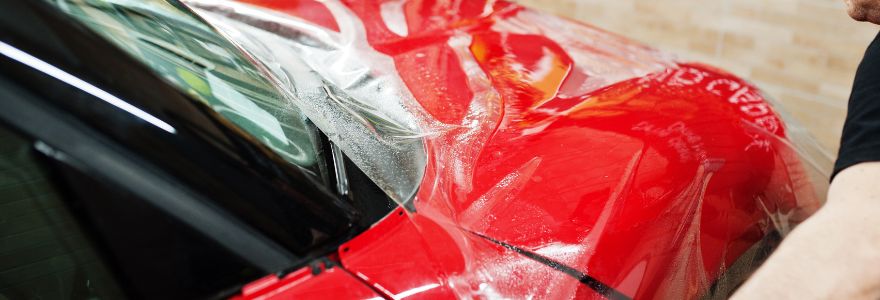
If you’re thinking about installing Paint Protection Film, one of the biggest questions you may have is: Can PPF be removed without damaging paint?
It’s a fair concern. After all, PPF is applied directly over your vehicle’s painted surfaces, so it makes sense to wonder what happens when it’s time to remove or replace it.
The good news is that high-quality Paint Protection Film can usually be removed safely without damaging factory paint — as long as it was installed properly, maintained well, and removed by a professional.
In this guide, we’ll explain how PPF removal works, when paint damage can happen, and why professional removal is the safest way to protect your vehicle.
What Is PPF?
Paint Protection Film, also known as PPF, is a clear urethane film applied over painted surfaces to protect against rock chips, scratches, road salt, bug splatter, and everyday road debris.
It is commonly installed on high-impact areas such as:
- Front bumpers
- Hoods
- Front fenders
- Side mirrors
- Rocker panels
- Door cups and edges
Many vehicle owners choose PPF because it provides strong, nearly invisible protection while preserving the original paint underneath.
Can PPF Be Removed Safely?
Yes, in most cases, PPF can be removed safely without damaging the paint. Professional-grade PPF is designed to be removable when handled correctly.
When the film is heated and lifted properly, the adhesive releases from the paint surface without pulling off the factory finish. This is why PPF is such a popular choice for new vehicles, luxury cars, Teslas, leased vehicles, and long-term paint protection.
However, safe removal depends on a few important factors:
- The condition of the original paint
- The quality of the PPF used
- How well the film was installed
- How long the film has been on the vehicle
- Whether the film is removed professionally
When Can Paint Damage Happen?
Although PPF removal is usually safe, there are certain situations where paint damage is more likely.
1. The Vehicle Has Been Repainted
Factory paint is generally stronger and more consistent than aftermarket paint. If a vehicle has had bodywork or repainting done, the paint may not bond to the panel as strongly as the original factory finish.
In those cases, removing PPF can sometimes lift weak or poorly bonded paint.
2. The Paint Was Already Damaged
If the paint underneath the film already has peeling clear coat, rust, deep chips, or poor previous repairs, there is a higher chance that removal may expose or worsen those issues.
PPF protects the paint, but it cannot repair paint that was already failing before the film was applied.
3. The Film Was Left on Too Long
PPF is long-lasting, but it is not meant to stay on forever. Over time, old or neglected film can become brittle, discoloured, or harder to remove.
If film is left on well beyond its recommended lifespan, removal becomes more difficult and may require additional time, heat, and adhesive cleanup.
4. The Removal Is Done Incorrectly
DIY removal is where many problems happen. Pulling the film too aggressively, using the wrong angle, applying too much heat, or using harsh chemicals can all increase the risk of damaging the paint.
Professional removal is always the safer choice, especially on high-end vehicles, older paint, or full-body PPF installations.
How Professional PPF Removal Works
A professional installer will remove PPF using controlled heat, proper technique, and patience. The goal is to soften the adhesive just enough so the film releases cleanly from the paint.
The process usually includes:
- Inspecting the film and paint condition
- Applying controlled heat to loosen the adhesive
- Slowly lifting the film at the correct angle
- Removing adhesive residue safely
- Cleaning and inspecting the paint underneath
This careful approach helps reduce stress on the paint and gives the best chance of a clean, damage-free removal.
Will There Be Adhesive Left Behind?
Sometimes, yes. Depending on the age and condition of the film, a small amount of adhesive may remain after removal. This is normal and can usually be cleaned safely with the right products and techniques.
A professional shop will know how to remove adhesive residue without using harsh methods that could stain, scratch, or dull the paint.
Does PPF Protect Paint During Ownership?
Absolutely. One of the biggest benefits of PPF is that it acts as a sacrificial layer. Instead of road debris, salt, bugs, and scratches hitting your paint directly, they hit the film first.
When the film is removed, the paint underneath is often in better condition than the exposed areas of the vehicle. This is especially valuable for:
- New car owners
- Tesla owners
- Luxury and exotic vehicles
- Leased vehicles
- Highway commuters
- Drivers in Markham and the GTA dealing with salt and road debris
For many owners, PPF helps preserve the factory finish and maintain resale value over time.
Should PPF Be Removed Before Selling a Vehicle?
Not always. If the film is still in good condition, it can be a selling feature because it shows the vehicle has been protected. Buyers often appreciate knowing that the paint has been shielded from chips and road wear.
However, if the film is old, yellowed, peeling, or damaged, it may be worth having it professionally removed or replaced before selling the vehicle.
A professional shop can inspect the film and recommend whether removal, replacement, or maintenance is the best option.
Can PPF Be Replaced?
Yes. If your PPF has done its job and taken damage over the years, it can be removed and replaced with fresh film.
This is common on areas like front bumpers, hoods, mirrors, and rocker panels that take the most abuse from daily driving. Replacing worn film helps keep your vehicle protected while maintaining a clean appearance.
How to Make PPF Removal Safer in the Future
If you want the easiest and safest removal later, it starts with proper installation and care today.
- Choose a reputable PPF installer
- Use high-quality film
- Keep the film clean and maintained
- Avoid harsh chemicals and abrasive cleaning
- Do not leave damaged or aging film on too long
- Have removal done professionally
Following these steps helps protect both the film and the paint underneath.
Why Choose Wrap ID for PPF Removal and Installation?
At Wrap ID, we understand that trust is a big part of paint protection. Whether you’re installing PPF for the first time, replacing old film, or removing existing film, our team takes the time to inspect your vehicle and handle the process carefully.
We help drivers in Markham and the GTA protect their vehicles with professional PPF installation, removal, and replacement services.
Our goal is simple: protect your paint, preserve your vehicle’s appearance, and give you confidence in the process from start to finish.
Contact us today to request a quote or book a PPF consultation.
Final Thoughts
So, can PPF be removed without damaging paint? In most cases, yes — especially when the film is high quality, the paint is in good condition, and the removal is handled by professionals.
Paint damage is more likely when the vehicle has poor repaint work, failing clear coat, old neglected film, or when removal is attempted incorrectly.
If you want long-term protection with peace of mind, PPF remains one of the best options available. It protects your vehicle while it’s installed and can be safely removed or replaced when the time comes.
